 By
By 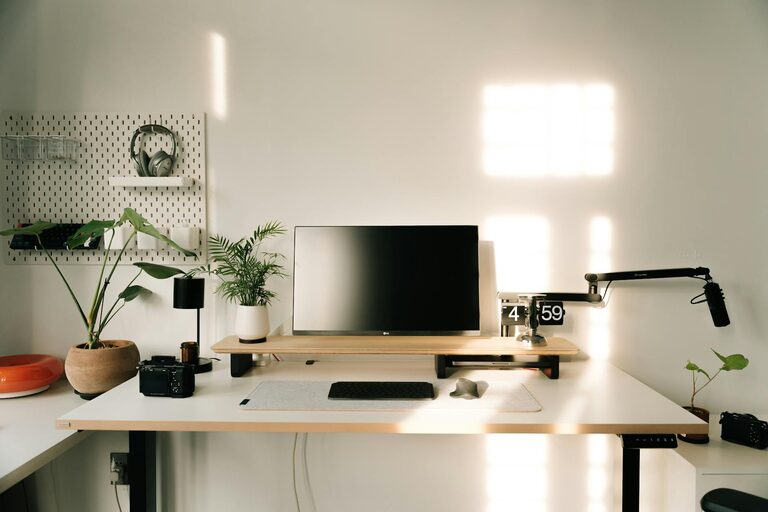
Creating an organized home workspace is one of the best ways to boost your productivity and maintain focus throughout the day. Whether you work remotely full time or use a corner of your home occasionally for work tasks, having a neat and efficient setup makes a big difference. Here are some simple, practical tips to help you organize your home workspace and enjoy a more productive workday.
Why Organizing Your Workspace Matters
A cluttered or disorganized workspace can be distracting, stressful, and make it harder to find what you need. On the other hand, a clean and thoughtfully arranged space can improve concentration, inspire creativity, and save time. Organizing your workspace isn’t about perfection; it’s about creating an environment that supports your best work habits.
Assess Your Current Workspace
Before making changes, take a moment to evaluate your current setup:
– What items do you use daily?
– Which things are cluttering your desk or drawers but rarely get used?
– How comfortable is your chair and desk arrangement?
– Is lighting adequate and pleasant?
This assessment will guide you in removing unnecessary items and enhancing your workspace ergonomics.
Declutter and Prioritize Essentials
Start by clearing your desk completely. Remove everything and only put back the items you need regularly. Examples include:
– Computer or laptop
– Essential stationery (pens, notepads)
– Phone or charging station
– Planner or calendar
– A few personal touches like a small plant or photo
Keep other supplies like paper clips, extra notebooks, and cables in dedicated storage containers or drawers.
Tips for decluttering:
– Use trays or containers to group small items.
– Store rarely used equipment out of sight.
– Digitize paper files to reduce physical clutter.
Optimize Your Desk Layout
An efficient desk layout helps you access tools and materials quickly without strain.
Consider these ideas:
– Place your computer or laptop at eye level to avoid neck strain.
– Keep your most-used items within arm’s reach.
– Use vertical space by installing shelves or pegboards to store office supplies.
– Arrange cables with clips or sleeves to prevent tangles.
– If you have space, keep an extra area for writing or reviewing documents.
Create Zones for Different Tasks
Dividing your workspace into specific functional zones can improve workflow. For example:
– Computer Zone: For digital work like emails and calls.
– Writing Zone: A clear area for handwriting or sketching.
– Storage Zone: Drawers or shelves where extra materials are kept.
Labeling storage areas or containers can also keep things orderly.
Choose Comfortable and Ergonomic Furniture
Your comfort affects how well you can focus. Invest in:
– A supportive chair with adjustable height and backrest.
– A desk with enough surface area for your equipment.
– A footrest or chair mat if needed.
Good ergonomics prevent fatigue and physical discomfort, which can hinder productivity.
Enhance Lighting and Air Quality
Proper lighting reduces eye strain and keeps you alert. To improve lighting:
– Use natural light as much as possible.
– Add adjustable desk lamps with warm light.
– Position the monitor to avoid glare.
Also, keep your work area fresh by opening windows or adding an air purifier if necessary.
Incorporate Organizational Tools
Organizational tools can simplify managing your workspace:
– Desk organizers: Trays, baskets, or caddies for pens and papers.
– Cable management: Velcro ties or cable boxes.
– Bulletin boards or whiteboards: For important reminders, goals, and schedules.
Find what works best for your routine and preferences.
Maintain Your Workspace Daily
A quick tidy-up at the end of each day helps maintain order. Some habits to adopt:
– Clear your desk after finishing work.
– File documents immediately.
– Charge devices neatly and unplug chargers not in use.
– Refill supplies before running out.
This daily routine keeps your workspace inviting and ready for the next day.
Personalize Your Space Thoughtfully
Finally, make your workspace a place you enjoy being without overdoing decor. A few thoughtful items could include:
– A small plant for a touch of greenery.
– Inspirational quotes or artwork.
– A comfortable cushion or throw.
Personal touches help reduce stress and increase motivation.
—
By organizing your home workspace with these simple strategies, you can create a more focused, efficient, and comfortable work environment. Remember, the key is consistency and adapting your setup as your needs change. Start small, and enjoy the positive impact on your productivity!