 By
By 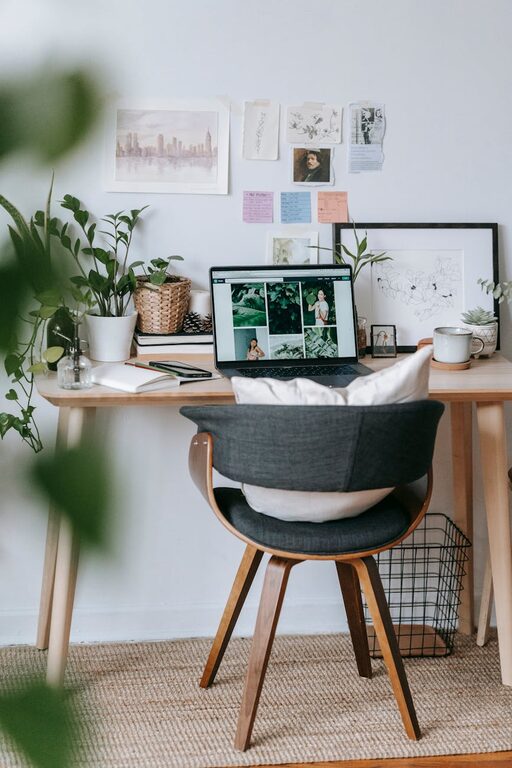
Working from home has become a regular part of life for many people. Whether you’re freelancing, running a small business, or simply need a dedicated space to handle tasks, having a well-designed home office can make all the difference. A cozy and productive workspace not only helps you focus but also contributes to your overall well-being.
In this post, we’ll explore smart ways to create a home office that’s both comfortable and efficient. From choosing the right furniture to organizing your space, these tips can help you design an environment that inspires work and keeps distractions at bay.
Choosing the Right Location
Your office’s location at home significantly impacts your productivity.
– Natural Light: Opt for a room or corner with plenty of natural light. Sunlight boosts mood and reduces eye strain.
– Quiet Area: Pick a spot away from noisy parts of your home to limit interruptions.
– Space Availability: Ensure there’s enough room for your desk, chair, and any equipment you need without feeling cramped.
If a separate room isn’t available, consider using room dividers or screens to create a distinct workspace.
Comfortable and Functional Furniture
Investing in the right furniture is key to both comfort and productivity.
Desk
– Choose a desk that fits your work style — whether it’s large enough for multiple monitors or compact for minimal equipment.
– Adjustable desks that allow standing or sitting can promote better posture and health.
Chair
– A supportive, adjustable chair reduces back pain and encourages good posture.
– Look for chairs with lumbar support and breathable materials.
Storage Solutions
– Use shelves, filing cabinets, or storage boxes to keep things organized.
– Decluttering your workspace helps reduce stress and makes it easier to find what you need.
Lighting: More Than Just Brightness
Good lighting is essential for reducing eye strain and creating a welcoming atmosphere.
– Combine natural light with soft, warm artificial lights.
– Task lighting, like a desk lamp, helps focus on detailed work.
– Avoid harsh overhead fluorescent lights if possible.
Personal Touches to Boost Comfort
Adding cozy elements can make your office inviting and motivate you to spend time there.
– Textiles: A soft rug, cushions, or a throw blanket add warmth.
– Plants: Indoor plants improve air quality and create a calming vibe.
– Decor: Personal photos, artwork, or inspirational quotes can make the space uniquely yours.
However, be careful not to overcrowd your space with decorations that can become distractions.
Organizing for Efficiency
Keeping your home office tidy helps maintain focus.
– Cable Management: Use clips or boxes to hide cords.
– Daily Clean-Up: Take a few minutes each day to clear your desk.
– Use Organizers: Desk trays, drawer dividers, or digital tools can keep you on track.
Technology Setup
Ensure your technology supports your workflow efficiently.
– Reliable internet connection is crucial.
– Position your computer screen at eye level to avoid neck strain.
– Use quality headphones or speakers for calls and focus.
Creating Boundaries Between Work and Home Life
It’s important to separate work from relaxation, even in the same space.
– Set clear working hours.
– Avoid working from your bed or couch.
– End your day by tidying your workspace as a signal that work time is over.
Regular Breaks for Better Productivity
Including breaks in your daily routine improves focus and health.
– Follow techniques like the Pomodoro method (25 minutes of work, 5 minutes break).
– Use breaks to stretch, hydrate, or enjoy a change of scenery.
Final Thoughts
Designing a cozy and productive home office doesn’t have to be complicated or expensive. The key is to create a space that suits your needs, feels comfortable, and helps you maintain focus. By paying attention to location, furniture, lighting, organization, and adding personal touches, you’ll create a workspace that invites productivity and keeps you motivated day after day.