 By
By 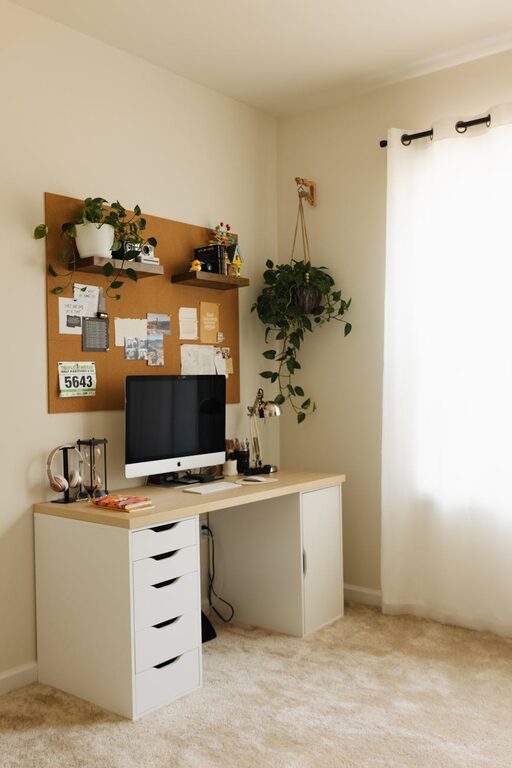
Creating a home office that is both cozy and functional can make a significant difference in your daily work routine. Whether you are working remotely, freelancing, or managing household tasks, having a dedicated space that inspires focus and comfort is essential. In this post, we will explore simple tips and ideas to help you design a home office that feels welcoming while supporting your productivity.
Why a Cozy and Functional Office Matters
A well-designed home office does more than just house your computer and paperwork. It shapes your mindset and affects how efficiently you work. When your office space is comfortable, you’re more likely to stay motivated and avoid burnout. Functionality ensures that everything you need is within reach, minimizing distractions and wasted time.
Choosing the Right Location
When starting your home office setup, location is key.
– Consider natural light: Pick a spot near windows if possible. Natural light boosts mood and can help reduce eye strain.
– Minimize noise: Choose a quiet area away from household traffic—ideal if you take calls or need focus.
– Separate from leisure spaces: Try to avoid setting up your office inside a bedroom or living room to create a mental boundary between work and relaxation.
Selecting Comfortable Furniture
Investing in good furniture pays off in both comfort and health.
– Ergonomic chair: Choose a chair with lumbar support and adjustable height to keep your posture healthy.
– Appropriate desk: Select a desk that fits your available space and allows for comfortable writing, typing, and any crafts or paperwork.
– Additional seating: If space allows, add a small couch or armchair for reading or brainstorming sessions.
Organizing Your Workspace
Clutter can be a major productivity killer. Here’s how to keep your workspace organized:
– Use storage solutions: Shelves, filing cabinets, and desk organizers help keep supplies tidy.
– Keep only essentials on your desk: Limit desk items to what you use daily to avoid distractions.
– Cable management: Use clips or sleeves to keep cords untangled and out of the way.
– Labeling: Label drawers and boxes so you can find things quickly.
Adding Personal Touches for Warmth
A cozy office feels inviting and personal, which can inspire creativity.
– Plants: Add some greenery with easy-care plants like succulents or pothos. They improve air quality and add life to the room.
– Artwork and photos: Choose images that motivate or calm you.
– Soft textiles: Incorporate a rug, throw blanket, or cushions to soften the space.
– Lighting: Use a combination of overhead lights and task lamps with warm bulbs to create a pleasant atmosphere.
Making Technology Work for You
Your tech setup should support efficiency without overwhelming your space.
– Choose the right hardware: Invest in a quality computer, monitor, or laptop stand to reduce neck strain.
– Use wireless accessories: Wireless keyboards and mice reduce cable clutter.
– Backup and security: Don’t forget to back up files regularly and use strong passwords to protect your data.
– Keep tech organized: Use charging stations or designated areas to keep devices charged and accessible.
Maintaining Work-Life Balance
Creating a home office also means setting boundaries.
– Set a routine: Keep regular work hours to signal the start and end of the workday.
– Take breaks: Step away from your desk regularly to stretch or rest your eyes.
– Physical separation: Close the office door or pack up your work at the end of the day to mentally disengage.
– Avoid multitasking: Focus on one task at a time within your dedicated workspace for better results.
Final Thoughts
Designing a cozy and functional home office is about combining comfort with practicality. By choosing the right location, investing in ergonomic furniture, organizing your tools efficiently, and personalizing your space, you can create an environment that encourages productivity and well-being. Remember, your home office should reflect your needs and style while supporting your work-life balance.
Start making small improvements today, and watch how a thoughtful workspace transforms your daily work experience.